
The clear months
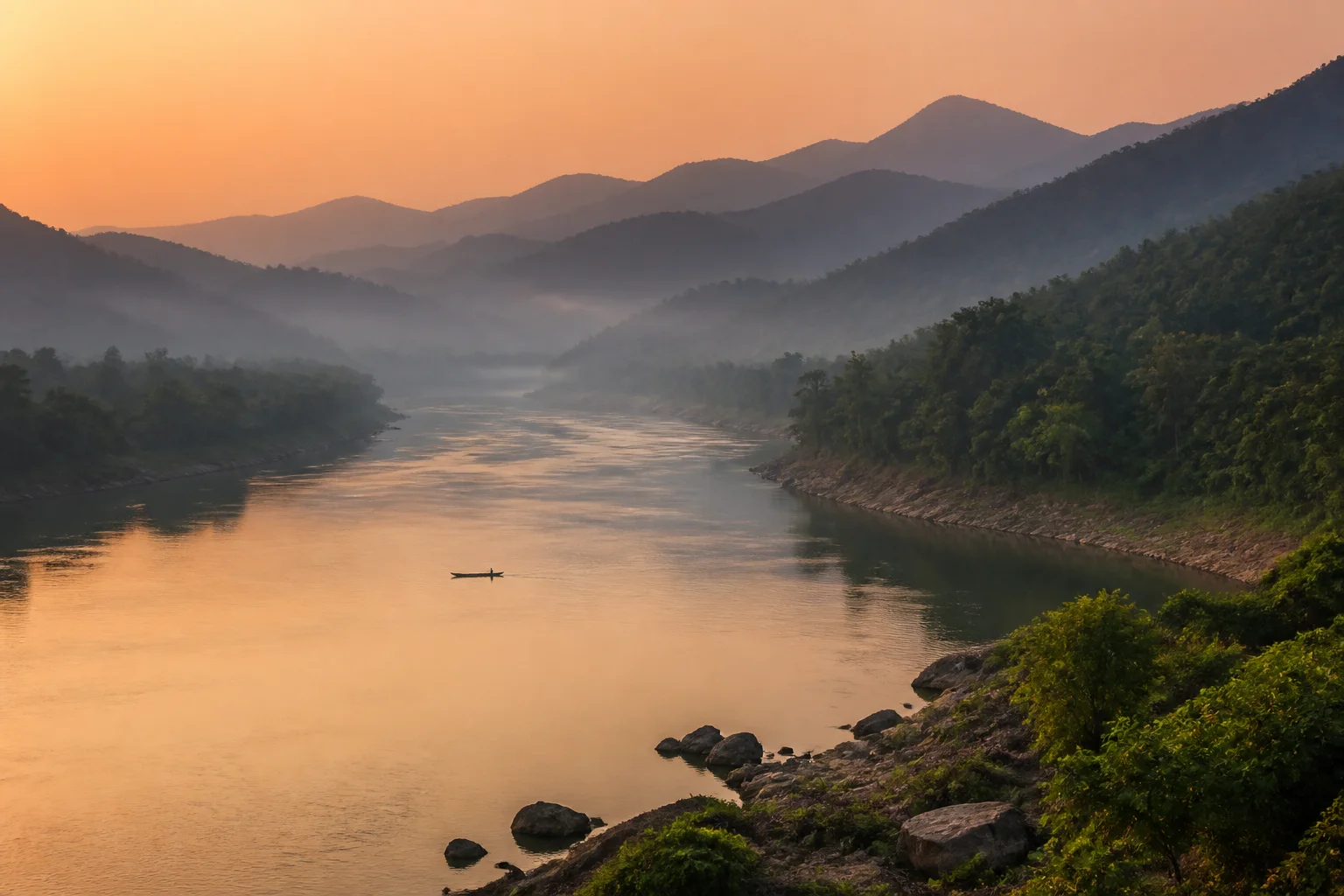
From October, the heavy monsoon air begins to lift. The mornings grow clearer and the road between Bhubaneswar, Puri and Chilika feels newly washed. By November, the days are warm without being tiring and evenings invite an unhurried walk. This is the season we most often recommend for a first journey along the coast.
Winter here does not mean cold in the northern sense. It means gentler sun, fresh produce in the markets and light that stays soft for longer. At Konark, the stone of the Sun Temple carries a honeyed colour in the late afternoon. In Puri, the beach is busy at dawn, then broad and breezy once the early walkers have gone home.
Chilika in motion
Chilika is often described as a lake, but that simple word cannot hold its scale or its moods. It is a brackish lagoon connected to the Bay of Bengal, dotted with islands and edged by fishing villages, reed beds and open sky. Its water can look silver, blue or almost white depending on the hour.
Migratory birds begin arriving as the weather cools. At Mangalajodi, local boatmen guide small wooden boats through shallow channels where stilts, jacanas, herons and ducks feed at close range. The best outings begin quietly. Engines are avoided, voices fall naturally, and the boat moves at the pace of a pushed bamboo pole.
Farther south, Satapada offers a different face of the lagoon, closer to the sea mouth and the habitat of Irrawaddy dolphins. A sighting is never something to promise. What can be promised is time on the water, attention to the horizon and an understanding that the search is part of the experience.
On Chilika, the reward is not only what appears. It is the quality of attention the water asks from you.
Temple towns and ordinary mornings
The coast is not one long scenic drive. Its meaning lies in the places where people live and worship. Puri wakes early. Tea stalls begin serving before sunrise, flower sellers arrange marigolds, and pilgrims move towards the Jagannath Temple. Access to the main temple is restricted to practising Hindus, but the surrounding streets, smaller shrines, kitchens and craft traditions offer their own deep context.
Raghurajpur, inland from Puri, is known for pattachitra painting and palm-leaf engraving. It is worth visiting slowly and with realistic expectations. This is a living village, not a showroom. Conversation matters more than collecting photographs, and buying directly from an artist is most meaningful when you also take time to understand the work.
Choosing your moment
December and January bring the coolest weather and the greatest number of visitors. February is often beautifully balanced, with bright days and fewer holiday crowds. March grows warmer, though early mornings remain rewarding. The monsoon, from roughly June to September, has its own drama, but rain and rough seas can reshape plans quickly.
A good coastal journey usually needs at least five or six days. That allows the route to breathe: a dawn on the lagoon, an afternoon with craftspeople, time for temple architecture, and one unscheduled hour when the sea breeze changes the plan. Odisha’s coast feels most alive when the landscape and the people setting its daily rhythm are given equal attention.