
Arrive with context
A short conversation before a visit can change its quality. Knowing why a shrine matters, how a village council works or what a craft tradition supports helps you see beyond the surface. A good local guide does more than translate words. They help interpret what is appropriate in that particular place.
Customs vary widely across India and neighbouring countries. Clothing that is fine in a city hotel may feel out of place in a monastery or village. Shoes may need to be removed. Photography may be restricted. When uncertain, follow the people who live there and ask quietly.
Let consent be clear
A person is not part of the scenery. Ask before taking a portrait, especially of children, religious practitioners and people at work. A nod towards the camera is not always meaningful consent, particularly when language or power differences are involved.
Sometimes the most respectful response is to keep the camera away. Conversation can become more natural when it is not being collected. If someone declines a photograph, accept the answer warmly and move on. No image is worth making a person uncomfortable.
Curiosity becomes respect when the person in front of us is allowed to set the boundary.
Buy with interest, not pressure
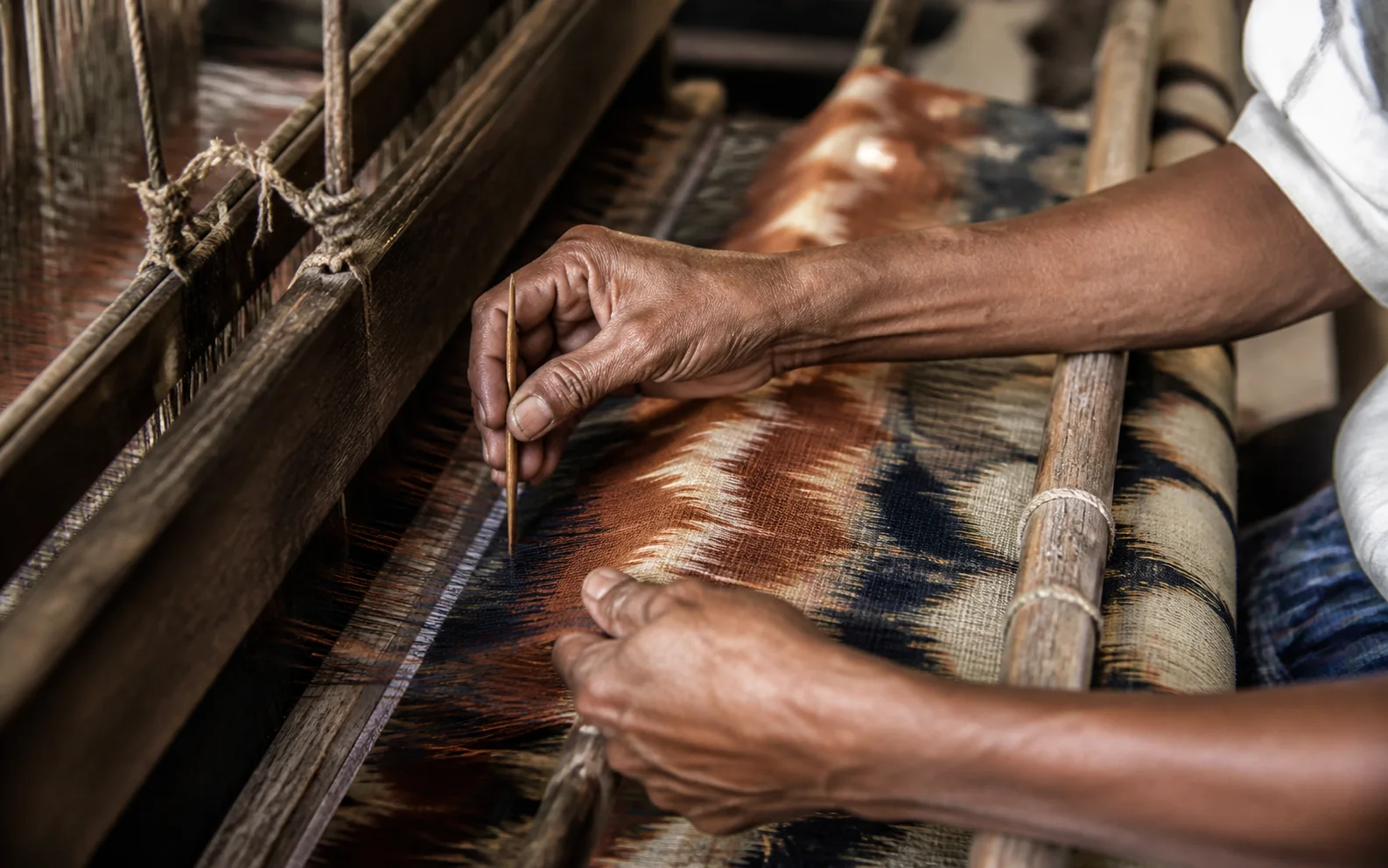
Meeting a maker can bring a textile, painting or carved object to life. Ask about the process and the time involved. If you decide to buy, remember that a very low price may hide the true labour behind the work. Bargaining is normal in some markets, but it need not become a contest.
It is also acceptable not to buy. Honest interest is valuable when it does not create false expectation. Your guide can help clarify whether a visit includes a sales element and how to handle it comfortably.
In sacred and wild places
Religious sites are active places of faith. Keep voices low, follow rules about dress and restricted areas, and do not interrupt worship for a photograph. Some temples do not permit entry to all visitors. Respecting that boundary is part of understanding the place, even when it is disappointing.
Wildlife habitats ask for a similar restraint. Keep distance, avoid calling to animals and never pressure a driver or naturalist to move closer than rules allow. A quiet sighting from farther away is better than changing an animal’s behaviour for a photograph.
Thoughtful travel is made of small decisions. Carry your waste, use water carefully, listen to local advice and stay open when plans change. We are all imperfect guests. What matters is the habit of noticing our effect and choosing care when there is a choice.